Creating a
Third Place
First responders need a third place. Not work, not home, but a space where they can speak openly among peers who understand, free from judgment, reporting, or forced solutions.
Our approach is rooted in lived experience and proactive strategy. We focus on regulation before rock bottom, education before crisis, and community before isolation. Everything we build is evidence-based and designed to strengthen first responders physically, emotionally, and culturally for the long haul.
Find Your Outlet
The job builds pressure. If you do not release it, it accumulates.
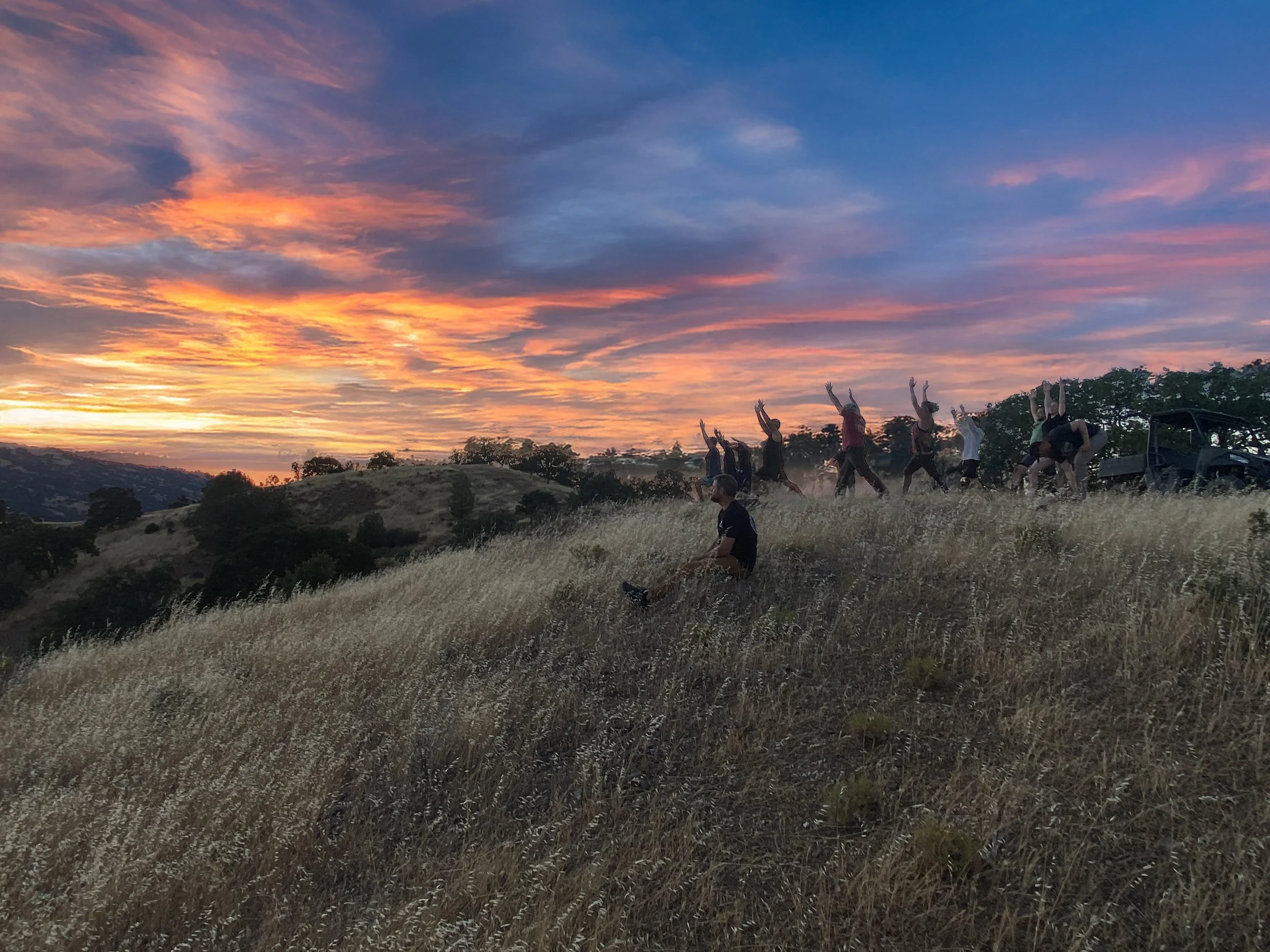
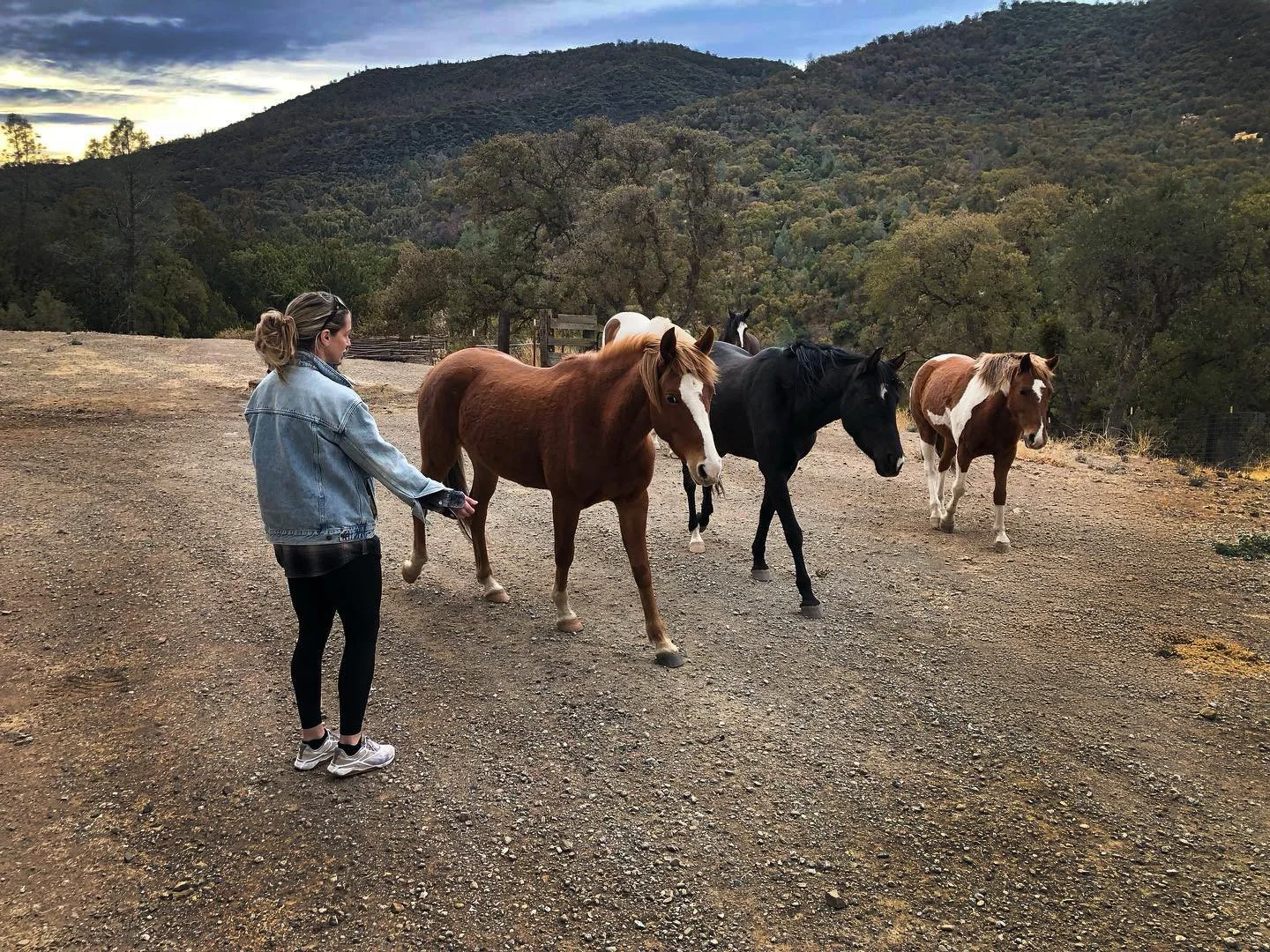
Every first responder needs an outlet that creates space between the work and the rest of life. That may look like jiu-jitsu, cold exposure, hiking, hunting, archery, equine work, art, yoga, sound therapy, or time outdoors. Different outlets, same purpose: regulate the body, clear the mind, and build resilience for the long haul.
Our goal is to create opportunities to try different approaches so each person can discover what actually works for them. Sustainable performance requires intentional release.
Frequently Asked Questions
Have questions? Take a look at the FAQ regarding our approach. For more program-specific details, contact us directly using the link below.
-
No. Runestone Ranch is not a clinical treatment environment. Clinical care plays an important role in long-term wellness, and many participants continue working with therapists or providers outside of our programs. Our work operates with professional clinician oversight, but it is not built around diagnosis or labeling. The emphasis is on honest conversation, skill development, and the regulating power of nature and community. That distinction allows first responders to show up openly and engage fully in the process. When clinical support is appropriate, we are able to help connect participants with culturally competent providers who understand the profession.
-
No. You do not need a diagnosis to participate, and you do not need to be in crisis. Our approach is proactive and preventative.
At the same time, many participants come with prior diagnoses, including PTSI or burnout-related conditions. Our programs are designed to support first responders at different stages of their journey. We focus on regulation, peer connection, and practical tools that complement clinical care, not replace it.
-
Traditional counseling often takes place in an office setting and focuses on clinical treatment. Our programs are immersive, peer-driven, and grounded in regulation practices, physical challenge, and connection in nature. We complement clinical care; we do not replace it.
-
Yes. Our approach is grounded in trauma-informed principles. We understand how cumulative stress and critical incidents impact the nervous system, behavior, and performance. We prioritize psychological safety, avoid forced disclosure, and focus on regulation skills rather than revisiting graphic details of incidents. Participants maintain control over what they share, and we stay within our scope, referring to licensed providers when clinical care is appropriate.
-
We operate with a strong confidentiality standard. What’s shared in our programs stays within the group, with clear exceptions for imminent harm or mandatory reporting situations. We are not part of internal investigations, fitness-for-duty evaluations, or performance tracking. Our role is education and peer-based support within defined boundaries.